Of all the jargon in our trade, the inspection levels cause the most confusion — and the most upselling. “You need a Level 2” gets said a lot in East Tennessee, sometimes for good reason, sometimes because it sounds like an upgrade package. So here’s the plain-English version: what each NFPA 211 inspection level actually is, what it physically involves at your house, and which one your situation calls for.
First: Why the Levels Exist
The NFPA 211 standard — the national fire-safety rulebook for chimneys, fireplaces, and solid-fuel appliances — defines three inspection levels for one simple reason: the right depth of inspection depends on what your chimney has been through. A fireplace that’s been swept annually and never had a problem doesn’t need the same investigation as a chimney that just survived a flue fire or a house sale. Matching the inspection to the situation keeps you safe without charging you for diagnostics you don’t need.
Level 1: The Annual Check-Up
What it is: the routine inspection that every chimney in service should get once a year — typically bundled with your sweep.
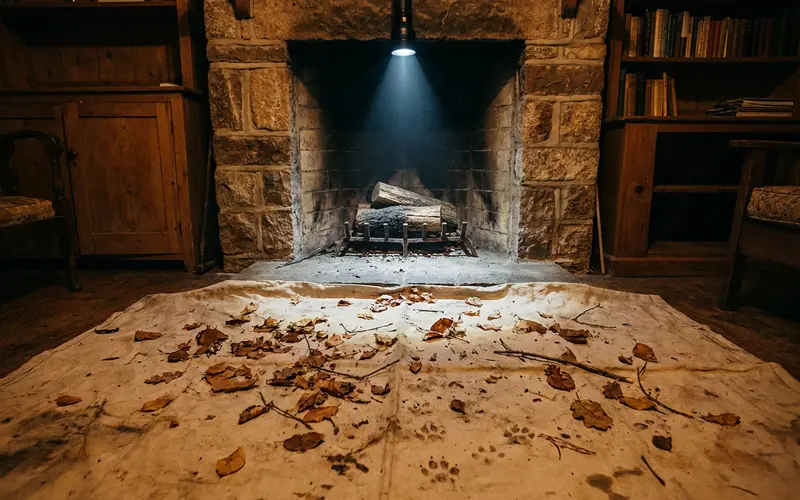
What it covers: all readily accessible parts of the system, checked visually from the ground, the roof, and inside the home:
- Exterior masonry, crown, and cap
- Flashing where the chimney meets the roof
- The firebox, damper, and smoke chamber from inside
- The flue from top and bottom, as visible without special equipment
- Proper clearances and general system condition
When it’s required: annually, as long as nothing has changed — same appliance, same fuel, no incidents.
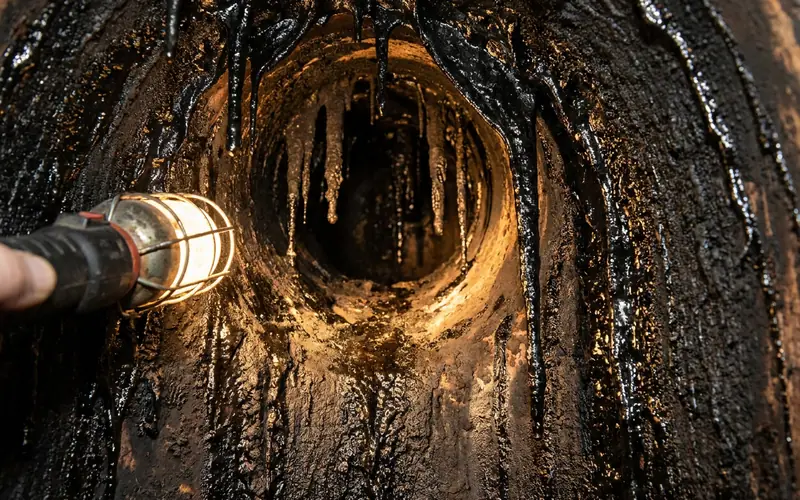
What it can’t do: see the middle 90% of your flue’s interior. That’s what the camera is for.
Level 2: The Camera Scan (and More)
What it is: the inspection you need when something has changed or happened. It adds technology and access to go beyond what eyes can see.
What it covers: everything in Level 1, plus:
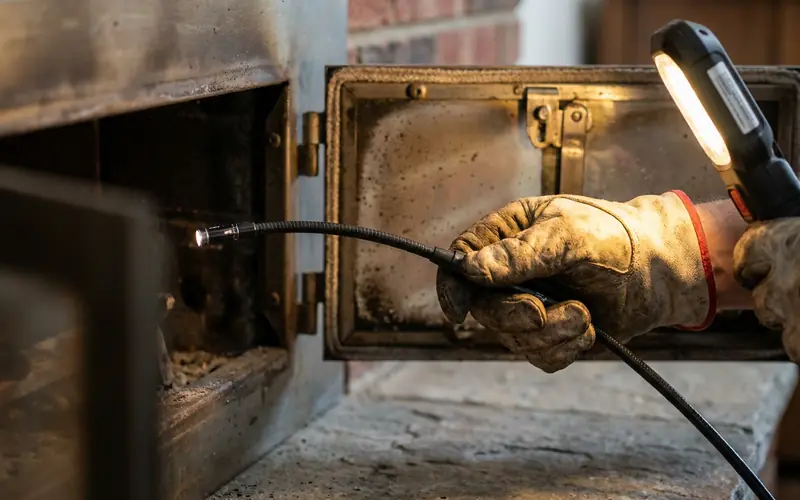
- A camera pass of the entire flue interior — every tile, joint, and seam recorded on video
- Accessible portions in the attic, basement, and crawl spaces (where chimneys run through the house)
- Verification of proper clearances to combustibles throughout
- The appliance connection details (inserts, stoves, connectors)
When NFPA 211 requires it:
- A property sale or transfer — the classic home-buying scenario
- Any appliance or fuel change — new insert, new stove, relining
- After an operating malfunction or chimney fire — suspected damage must be verified
- After a weather event — lightning strike, storm damage, a hard freeze event
In the Knoxville market, we’re doing more Level 2s than ever because buyers got smart: a general home inspection looks at the firebox; a Level 2 shows the flue. Those are different questions entirely.
Level 3: The Investigation
What it is: the deep diagnostic — when Levels 1 and 2 have found (or strongly suggested) a hazard that can’t be fully evaluated without opening things up.
What it covers: everything in Level 2, plus removal of components as needed to reach concealed areas:
- Removing the crown to inspect the chimney’s interior structure
- Opening a wall or ceiling chase to check concealed flue sections
- Dismantling masonry sections to verify suspected structural failure
When it’s required: rarely — after a serious chimney fire, when structural failure is suspected, or when a Level 2 finds something it can’t fully diagnose. Most homeowners go years (or forever) without needing one. A company that recommends Level 3s routinely is a company worth walking away from.
Which Level Do You Actually Need?
Quick decision guide:
- Nothing’s changed, annual routine: Level 1 with your sweep
- Buying or selling a home: Level 2 — before closing if you’re the buyer
- New insert or stove going in: Level 2 as part of the install
- Heard popping, smelled burning, had a “small” flue fire: Level 2, and don’t burn until it’s done
- Lightning strike or storm damage to the roof: Level 2
- Level 2 found something hidden: Level 3 to see it and fix it right
What Inspections Cost in East Tennessee
What each level runs: Level 1 is a routine visit — often bundled with a sweep (ours includes it at no extra charge); Level 2 adds the camera scan and written report; Level 3 is scoped after the Level 2 findings, since what needs opening depends on what the camera finds. Every level is quoted and approved before any work begins.
Every inspection we do ends the same way: photos of what we saw, written findings in plain English, and a prioritized plan — what’s urgent, what can wait, and what’s fine as-is. See our full inspection services or call (865) 309-5432 to schedule.