Chimneys are, from a raccoon’s point of view, a rent-free den with excellent security: dark, dry, vertical (they climb great), and no predators. From a squirrel’s point of view, they’re an acorn warehouse. From a bird’s, a nursery. The problem is that chimneys are also, from a homeowner’s point of view, the safety system that carries fire — and animals turn that system into a hazard in several specific ways.
Who’s Actually Up There
Raccoons
The heavyweight tenants. Raccoons den in chimneys across East Tennessee year-round, but especially in spring (mothers seeking den sites for kits) and late fall (seeking winter shelter). You’ll hear them as slow, heavy scratching — often at night — sometimes vocal chittering. They’re strong enough to shift loose caps, and a mother raccoon with kits will defend the flue.
Squirrels
The most common uninvited guests in our region. Squirrels stash food in flues, nest in smoke chambers, and — critically — chew. A squirrel nest in a chimney is also a potent draft blocker: nests stop airflow the way a cork stops a bottle, and every spark from your firebox lands in dry twigs.
Birds & Nests
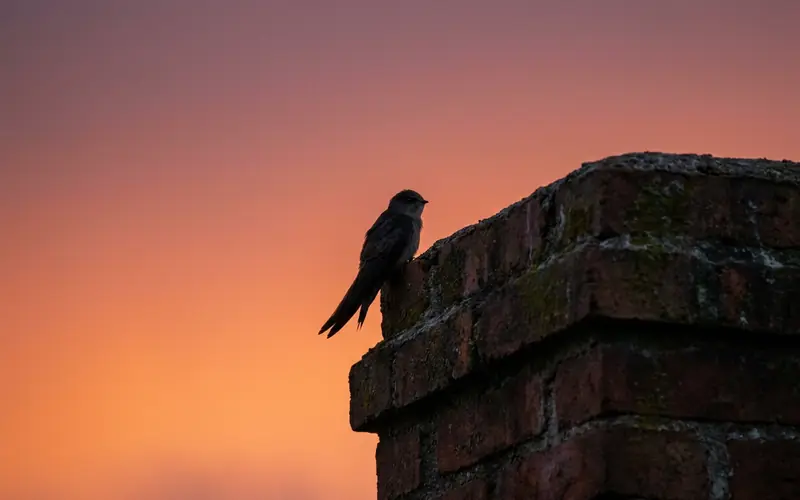
Starlings, sparrows, owls, and — every summer — federally protected chimney swifts (our swift guide covers what the law allows there). Nests at the flue top or on the smoke shelf restrict draft and catch embers; nest mites and droppings work down into the house.
Everyone Else
Ducks, cats, opossums, honeybees — in twenty years of chimney work, if it exists in East Tennessee, someone has found it in a flue. The rescue stories are usually funny in hindsight only.
Why an Animal in the Chimney Is a Safety Problem, Not a Nuisance
- Blocked draft. A nest mid-flue stops smoke from exiting the way it should — backdrafting carbon monoxide and smoke into your living room becomes a real possibility with the next fire.
- Ignition fuel. Twig-and-leaf nests directly above the firebox are kindling in the worst possible place.
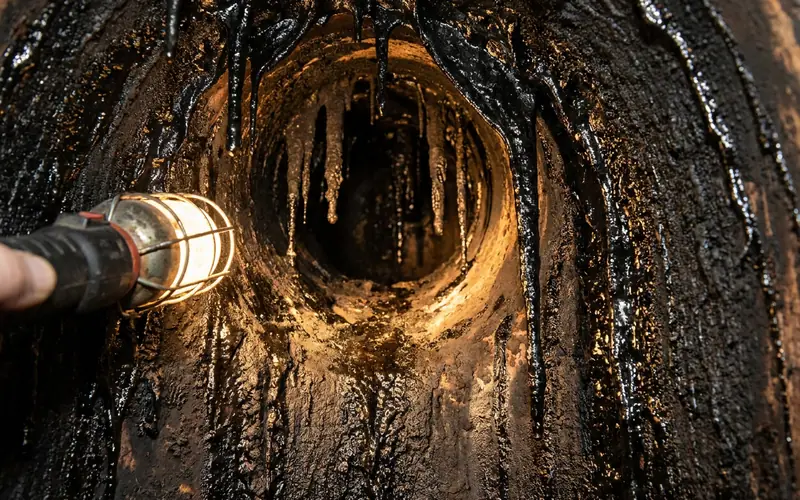
- Moisture. Animal urine and droppings soak into masonry and flue tiles, staining and corroding; decomposing nest material holds humidity for months.
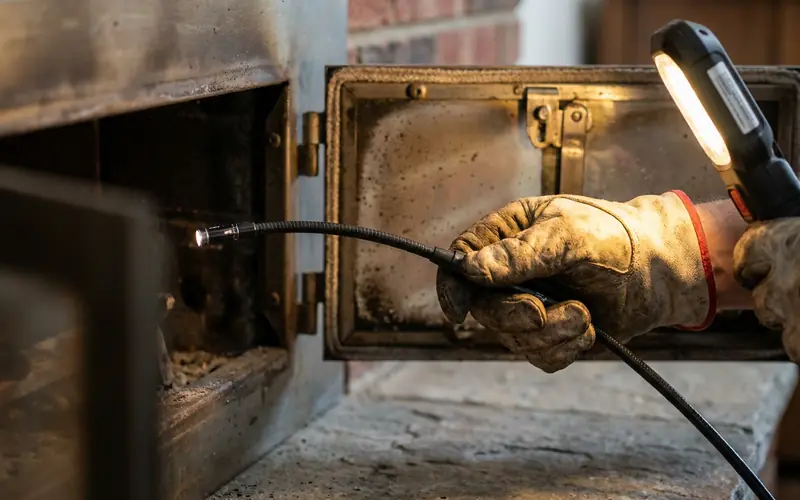
- Liner damage. Nests trap moisture against flue tiles, and animals dig at joints. The camera inspection after removal tells you what the tenancy cost your liner.
What To Do Right Now (and Not Do)
- Do not light the fireplace. Not even “a little smoke to drive them out” — that’s how nests ignite and animals die in place, which trades one problem for a much worse one.
- Do not smoke-bomb or poison. Chemical deterrents in a chimney drift into your home, and a dead animal in the flue is the smell you’ll describe to your grandchildren.
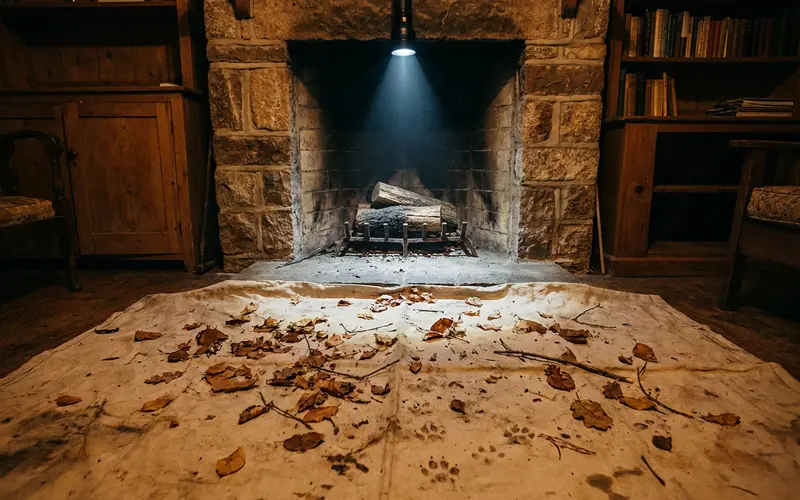
- Do close the damper. Keeps sounds, smells, and debris from falling into the firebox while you arrange removal.
- Do identify your tenant if you can. Daytime scurrying = squirrels; nighttime heavy scratching = raccoon; summer chattering = likely swifts (which changes the legal approach entirely).
How Professional Removal Actually Works
For raccoons: humane eviction techniques that respect both the animal and the law (in Tennessee, raccoon situations must be handled per state wildlife rules — licensed handlers where required). For squirrels and birds: nest removal (when legal — see the swift caveat) with full flue cleaning afterward. For every case: the sequence is evict/remove → clean the flue → inspect on camera → cap the chimney.
That last step is the entire ballgame. Animal removal without capping is a subscription, not a service — the same flue re-tenants within the season. A properly sized stainless cap ends the pattern permanently.
The One-Time Fix That Ends the Whole Category
A quality cap, correctly fitted to your flue, is among the highest-value services in the chimney trade: a modest one-time cost that prevents nest removals, animal evictions, water entry, and draft problems — year after year. If your chimney has ever hosted a tenant, capping is the difference between a story you tell once and a story you tell every spring.
Hearing something up there now? Call (865) 309-5432 — we’ll identify the tenant, remove and clean safely and legally, and cap the flue so you never hear from them again. See our chimney sweep services for what the cleanup visit includes.